
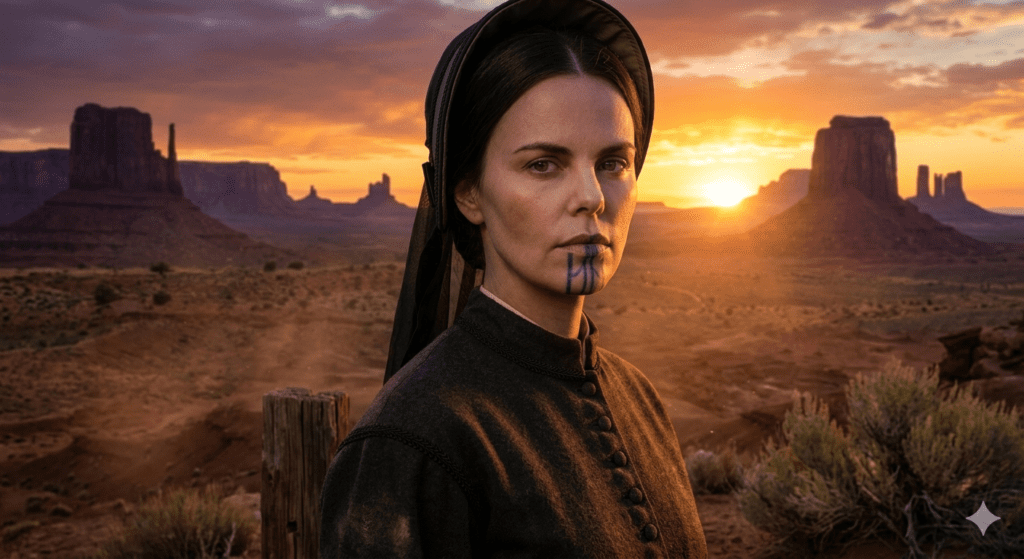
The Untold Story of Olive Oatman – The Girl With the Blue Chin Tattoo
Introduction
In the vast and dangerous American frontier of the 19th century, survival stories were common—but few are as mysterious and shocking as the story of Olive Oatman.
Known worldwide as “The Girl With the Blue Chin Tattoo,” Olive Oatman’s life journey includes tragedy, captivity, cultural transformation, and an incredible return to American society.
Her story is often discussed in topics related to:
- American frontier history
- survival stories
- Native American captivity narratives
- cultural identity
This extraordinary historical story still fascinates historians, writers, and readers interested in American history and survival psychology.
Who Was Olive Oatman?
Olive Oatman was born in 1837 in Illinois, United States. Her family later joined a religious group traveling west in search of a new settlement.
During the mid-1800s, thousands of American families migrated westward during the period known as Westward Expansion.
The Oatman family believed they would find prosperity and a new life in California. But their journey through the deserts of present-day Arizona would turn into one of the most terrifying survival stories in American history.
The 1851 Attack That Changed Everything
In 1851, while traveling along the dangerous frontier route, the Oatman family was attacked by a Native American tribe.
During the brutal raid:
- Most of the Oatman family members were killed
- Olive and her younger sister Mary Ann were taken captive
- Her brother Lorenzo survived but believed his sisters were dead
This event became one of the most famous captivity stories in American frontier history.
The sisters were initially held by the Yavapai tribe.
Life in captivity was extremely difficult. The girls were forced to work and survive under harsh conditions in the desert.
Sold to the Mohave Tribe
After about a year, Olive and her sister were traded to the Mohave tribe along the Colorado River.
This moment changed Olive’s life forever.
Unlike their previous captors, the Mohave tribe treated Olive differently.
They:
- Adopted her into the tribe
- Allowed her to live among them
- Treated her more like a tribal member
Unfortunately, her younger sister Mary Ann died due to famine and extreme hardship.
Olive was now alone in a completely different culture.
The Meaning of the Blue Chin Tattoo
One of the most mysterious aspects of Olive’s story is her famous tattoo.
The Mohave tribe tattooed blue lines on her chin and arms.
In Mohave culture, these tattoos had deep spiritual meaning.
They were believed to:
- Mark tribal identity
- Ensure recognition in the afterlife
- Show belonging within the tribe
This tattoo later made Olive instantly recognizable after her return to American society.
Her blue chin tattoo became one of the most famous images in American frontier history.
Olive Oatman’s Rescue
In 1856, after living with the Mohave tribe for several years, word spread that a white woman was living among them.
American authorities negotiated for her release.
Eventually, Olive was returned to American society.
Her brother Lorenzo Oatman, who had spent years searching for her, was finally reunited with her.
The reunion shocked the public.
Olive appeared wearing traditional clothing and had the distinctive blue chin tattoo, something rarely seen among white American women at the time.
Life After Returning to Civilization
After returning, Olive became a public sensation.
She traveled across the United States giving lectures about her experiences.
In 1857, her story was published in the book:
Life Among the Indians
The book became extremely popular and helped shape public perceptions about Native American captivity narratives.
However, historians later questioned whether the story in the book was completely accurate or influenced by publishers trying to sell more copies.
The Mystery: Did Olive Want to Leave?
One of the biggest historical debates is whether Olive actually wanted to leave the Mohave tribe.
Some historians believe:
- She had fully adapted to Mohave life
- She had strong relationships within the tribe
- Her return may not have been completely voluntary
This raises fascinating questions about:
- cultural identity
- psychological adaptation
- survival in extreme circumstances
Olive rarely spoke openly about her true feelings regarding her years with the Mohave.
Why Olive Oatman’s Story Still Fascinates People
Even today, Olive Oatman’s story remains one of the most intriguing tales from the American frontier.
Her story combines:
- survival against impossible odds
- cultural transformation
- mystery about identity
- historical tragedy
Many historians consider her story one of the most complex captivity narratives in American history.
Olive Oatman in Modern Culture
The story of Olive Oatman continues to inspire:
- documentaries
- books
- historical research
- podcasts
- YouTube history channels
Her blue chin tattoo remains one of the most iconic symbols from frontier history.
Conclusion
The life of Olive Oatman is not just a survival story—it is a powerful story about identity, culture, and resilience.
From a young pioneer girl traveling west to becoming part of a Native American tribe, and finally returning to American society, her life journey was unlike anything seen before.
Even more than 170 years later, the mystery of the girl with the blue chin tattoo continues to captivate historians and readers around the world.
